Buckwheat Parathas with Potato and Cumin
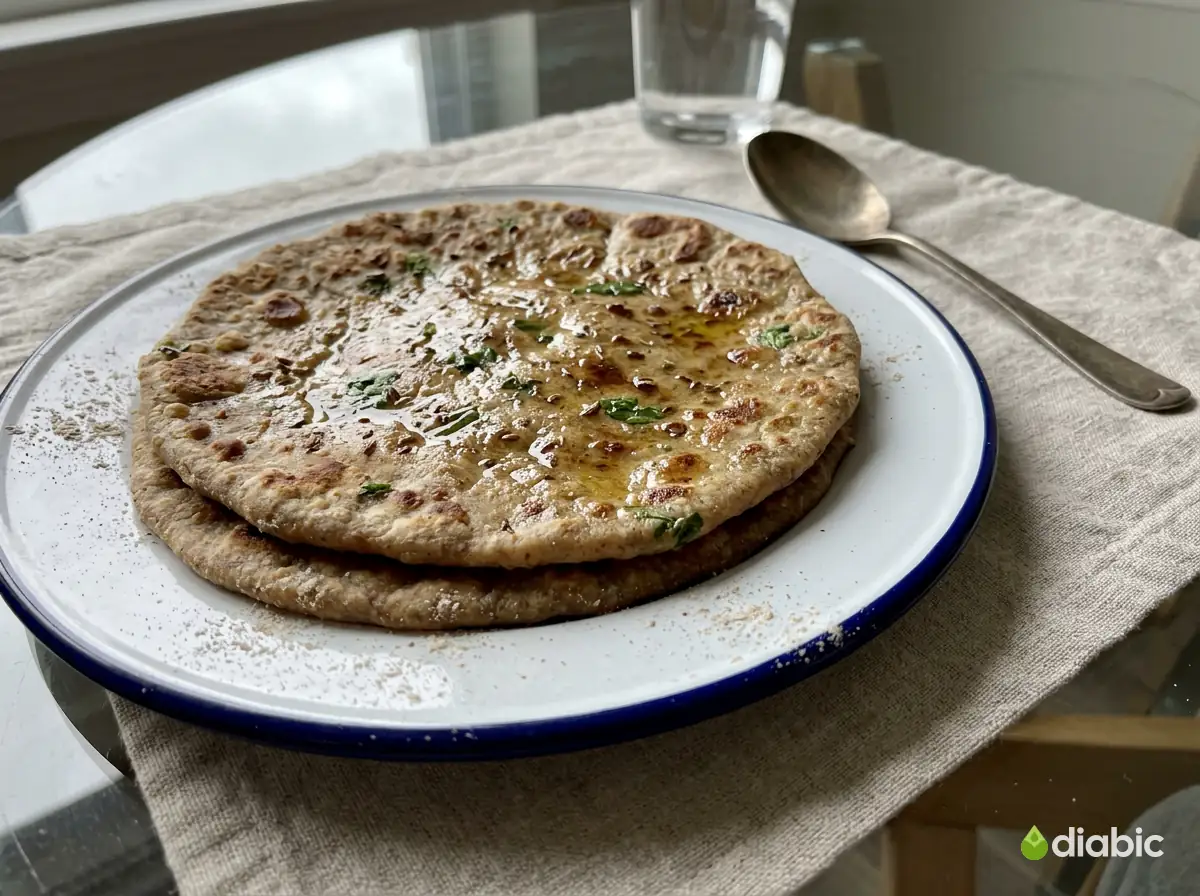
Mashed potato binds buckwheat flour into a soft, workable dough, while cumin seeds, green chillies and coriander season these rustic flatbreads. Each paratha is rolled between damp cloths, cooked on a hot tava with ghee and enjoyed golden straight from the pan.
- Time
- 40 min
- Calories
- 94
- Carbs
- 14.1 g
- Fiber
- 2 g
- Sugars
- 0.6 g
Per serving, about 44 g.
Method
0 of 16 steps doneReady to cook?
Easy swaps
A Fasting Flatbread With Real Character
Buckwheat is not really a grain, though it gets treated like one in the kitchen. It is the seed of a plant related to rhubarb and sorrel, which is why it cooks up so differently from wheat. There is no gluten to build stretch, so the dough leans on something else. Here that is the mashed potato. It adds starch and moisture, and it holds the buckwheat together so the dough rolls out without cracking. That is the trick worth remembering: the potato is doing the work that gluten would normally do.
Buckwheat flour is traditionally eaten on fasting days across parts of India, where cooks rely on rock salt, cumin and green chillies to make plain ingredients taste lively. I like how little you need. The cumin seeds should sizzle a little when they hit the warm dough, and the chopped coriander should be fresh and green, not wilted. If your potatoes are very hot, let them cool for a few minutes before you mash them in, or the dough will turn sticky and tear when you roll it.
Rolling is the part that takes patience. Keep the muslin damp but not wet, and dust it lightly with buckwheat flour so nothing sticks. If a paratha tears, pinch it back together and keep going. Buckwheat dough forgives a lot. The first side needs only a short time on the tava, because the flour browns quickly and the centre finishes cooking as you flip it. A little ghee on each side gives the golden, slightly blistered finish that makes these worth the trouble.
For leftovers, wrap cooled parathas in a clean cloth and keep them at room temperature for the day, or refrigerate them for up to two days. Warm them again on a dry pan for a minute a side. They also make a good base for a quick snack: tear one into pieces, toss with a little chopped onion and lemon, and eat it with a spoon of plain yoghurt.
To serve them as a proper meal, pair them with something cool and simple. A bowl of plain yoghurt, a crisp cucumber salad or a spoonful of pickled green chilli works well. If you want something more filling, a light vegetable dish sits nicely alongside, and a bowl of Barley and Vegetable Khichdi makes a satisfying partner for a slow weekend lunch. For a green side, Minty Cauliflower Sauté brings freshness without much fuss. If you like the idea of stuffing flatbreads, try Radish and Spinach Stuffed Parathas next time for a different texture.
Once you have made these a couple of times, the rhythm comes quickly. The dough tells you when it is right: soft, a little tacky, and easy to press flat. Trust that feel more than the clock.
Originally from Tarla DalalMethod rewritten by Diabic.Updated 9 Nov 2026
General information, not medical advice. Your needs may differ, so check with your care team.
More dinner recipes up to 30 g carbs
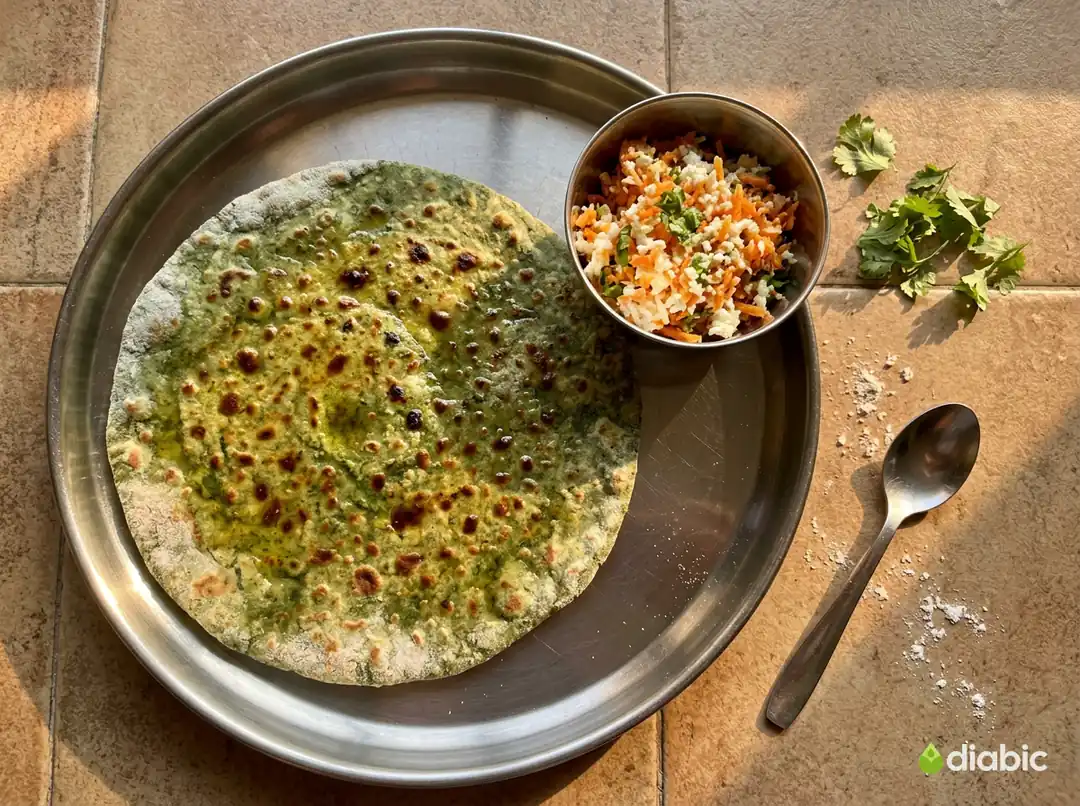
Spinach Flatbread with Paneer Carrot Filling
- Time
- 35 min
- Calories
- 214
- Carbs
- 21.4 g
- Sugars
- 0.6 g
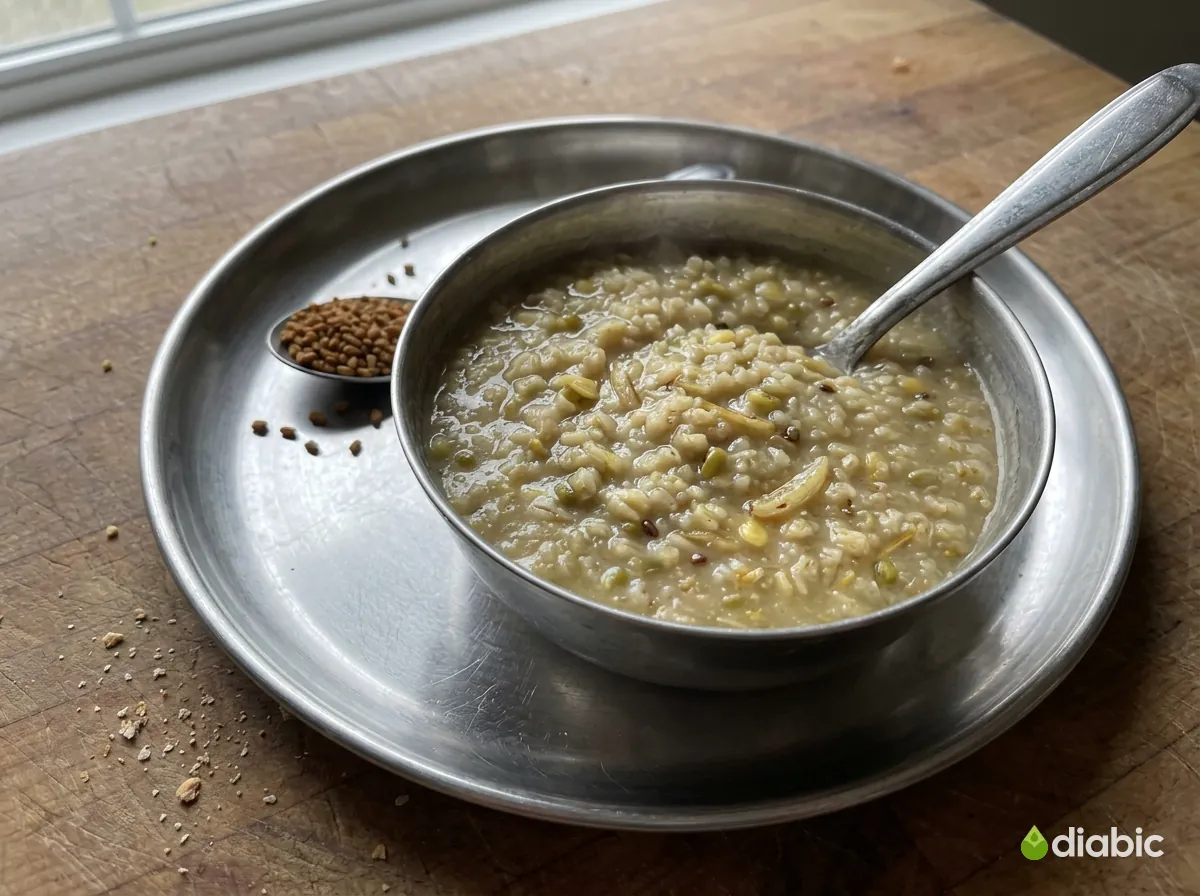
Garlicky Broken Wheat and Fenugreek Meal
- Time
- 20 min
- Calories
- 150
- Carbs
- 29.8 g
- Sugars
- 1.4 g
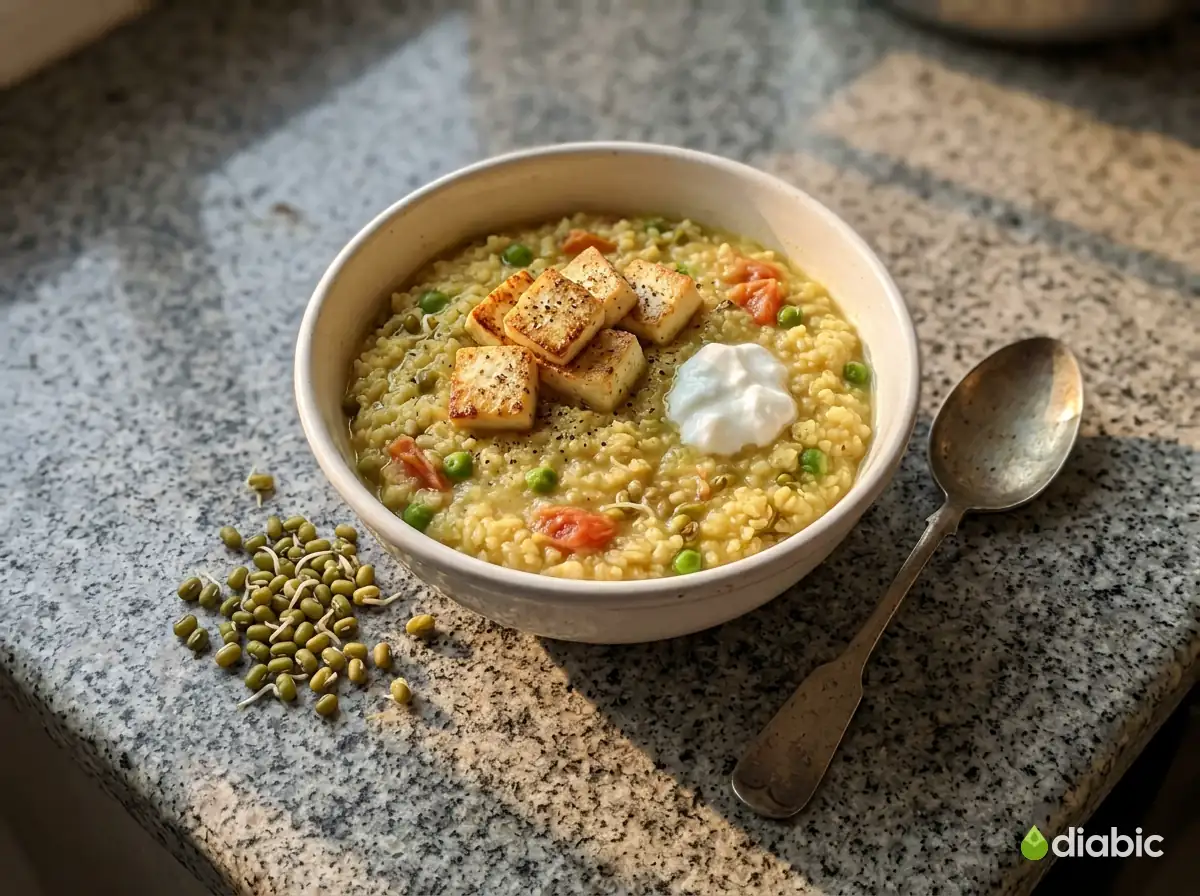
Dalia Khichdi with Sauteed Paneer
- Time
- 30 min
- Calories
- 173
- Carbs
- 29 g
- Sugars
- 3.7 g
100 recipes with the carbs already counted.
Breakfast, lunch, dinner and snacks for people with diabetes. Every recipe shows carbs, fiber and calories per serving, in one free PDF.
Reviewed by Dr. Rezwana Rumpa. Plus our Sunday email, leave any time.