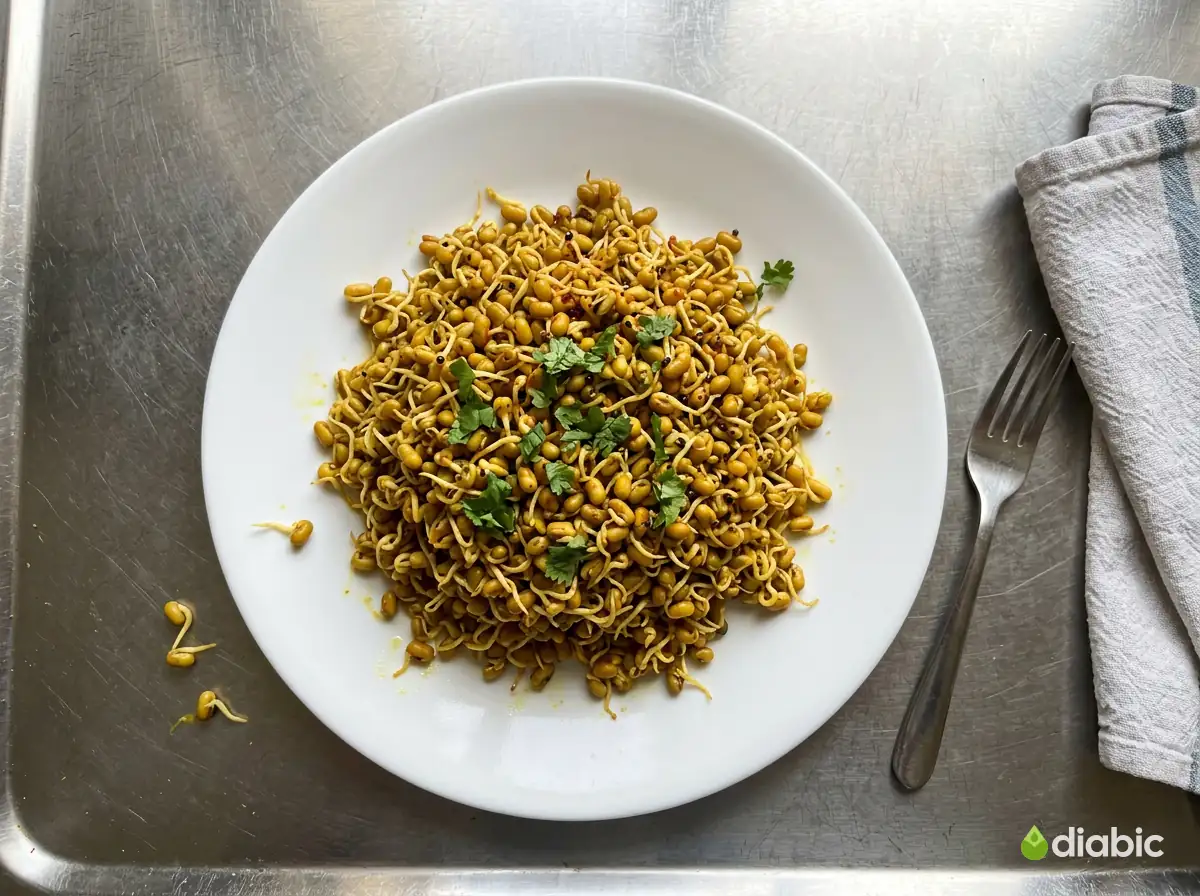
Dry Sprouted Matki Sabzi
Soft boiled sprouted matki are greeted by a lively tempering of mustard seeds and asafoetida in this homestyle dry sabzi. Red chilli powder, haldi powder and dhaniya powder bring everyday warmth, a pinch of sugar rounds out the flavours, and a final squeeze of lemon juice keeps everything bright. It comes together in minutes and sits happily beside a stack of hot phulkas.
- Time
- 18 min
- Calories
- 103
- Carbs
- 12.8 g
- Fiber
- 4 g
- Sugars
- 12.3 g
Per serving, about 176 g.
Method
0 of 6 steps doneReady to cook?
Easy swaps
A humble bowl of sprouted matki, made the way it is in many Indian kitchens
Matki, the moth bean, is one of those pulses that quietly feeds a lot of households. It is a small, mottled bean that grows well in dry climates, and it has long been a staple in Rajasthan, Gujarat and Maharashtra, where it turns up in curries, flatbreads and simple dry sabzis like this one. Sprouting it is an old home trick. You soak the beans overnight, drain them, wrap them in a damp cloth for a day or so, and wait for little white tails to appear. Boiled after that, they keep a pleasant bite and a faint nutty sweetness that plain dried beans never quite manage.
The one tip I would really pass on is about the pan. Use a deep non-stick pan, and let the mustard seeds pop properly before anything else goes in. Those seeds are the whole point of the tadka. If the oil is not hot enough, they sit there and do nothing, and the sabzi tastes flat. Once the asafoetida has bloomed for a few seconds, add the sprouts straight away so the spices do not scorch. Keep the flame at medium and stir now and then. Sprouted beans love to stick at the base of a pan, and a quick stir is all it takes to keep them loose.
The sugar in this recipe is small, but it matters. It does not make the dish sweet. It softens the sharpness of the chilli and the earthy edge of the coriander powder, so the flavour feels rounded. Add the lemon juice only once the flame is off. Heat dulls its brightness, and a last squeeze wakes everything up again.
For storage, this sabzi keeps well in a covered container in the fridge for a day or two. I like to eat the leftovers rolled into a warm phulka with a little raw onion, or tucked into a wrap with some shredded cabbage. It also reheats nicely in a dry pan with a splash of water, which stops it drying out.
To serve, hot phulkas are the obvious partner, and a bowl of plain curd on the side is never wasted. If you want something a little more filling, a bowl of simple brown rice khichdi makes a comfortable meal alongside it, as does a cooling Steamed Colocasia Leaf and Curd Raita with its gentle tang. For a lighter spread at lunch, a plate of South Indian Spiced Chickpea Sundal next to it gives you another bean to enjoy with the same easy, homely feel.
Originally from Tarla DalalMethod rewritten by Diabic.Updated 9 Nov 2026
General information, not medical advice. Your needs may differ, so check with your care team.
More dinner recipes up to 30 g carbs
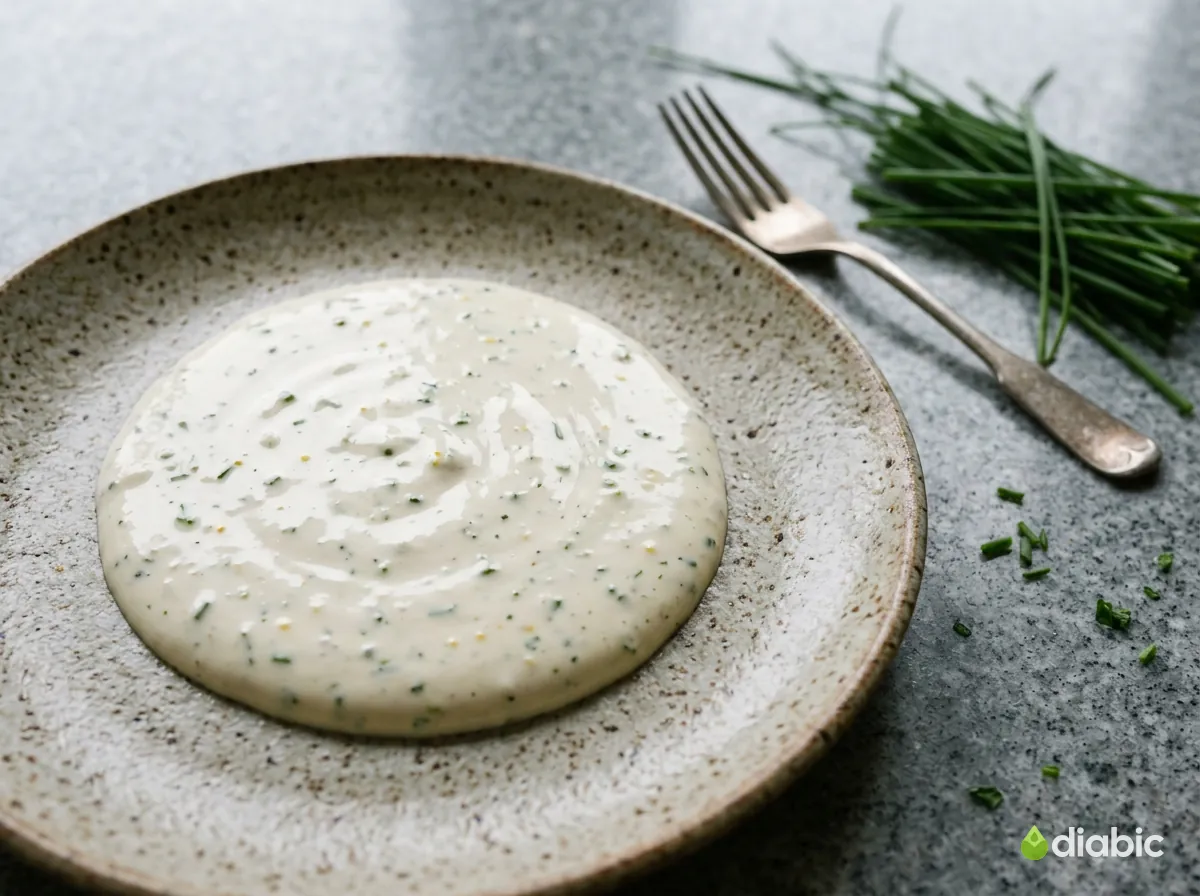
Creamy Fresh Herb Ranch Dressing
- Time
- 20 min
- Calories
- 25
- Carbs
- 2 g
- Sugars
- 1 g
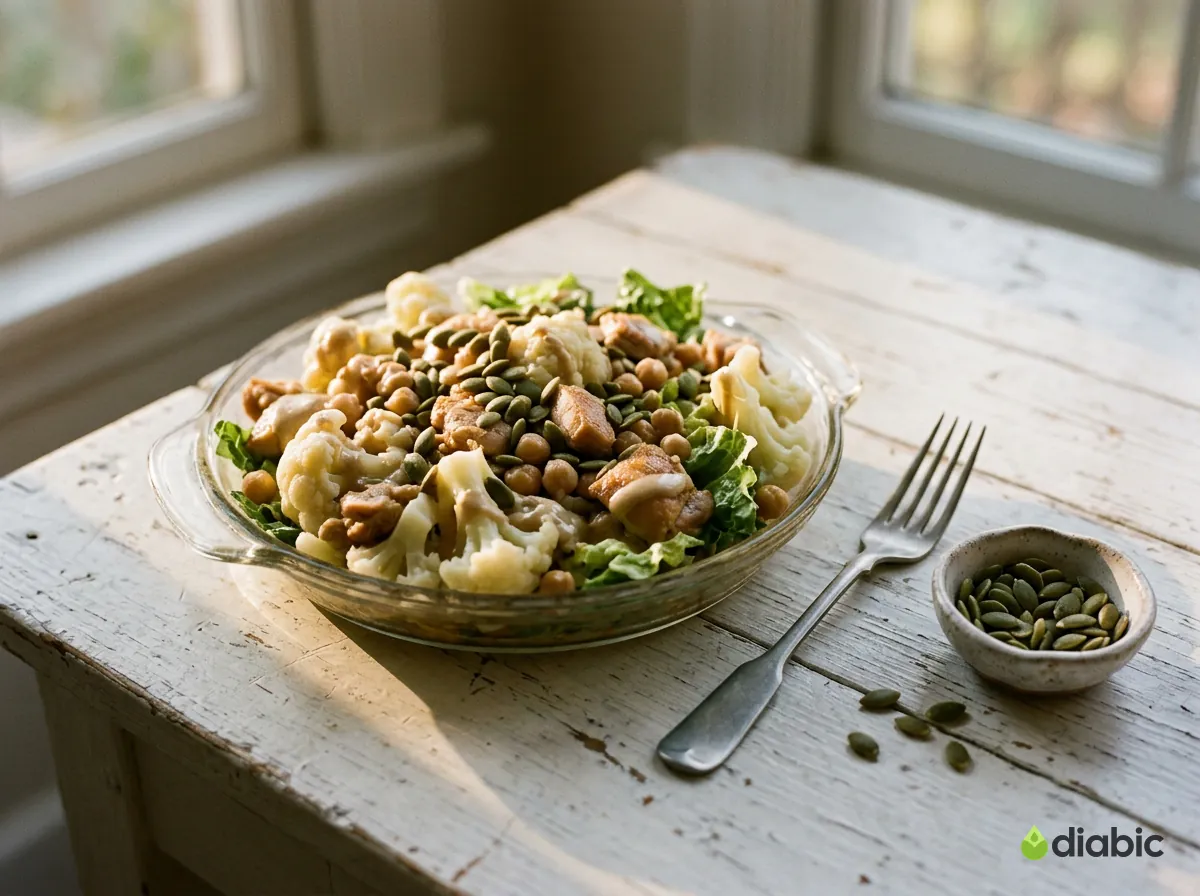
Harvest Chicken and Cauliflower Bowl
- Time
- 25 min
- Calories
- 362
- Carbs
- 11.6 g
- Sugars
- 4.8 g
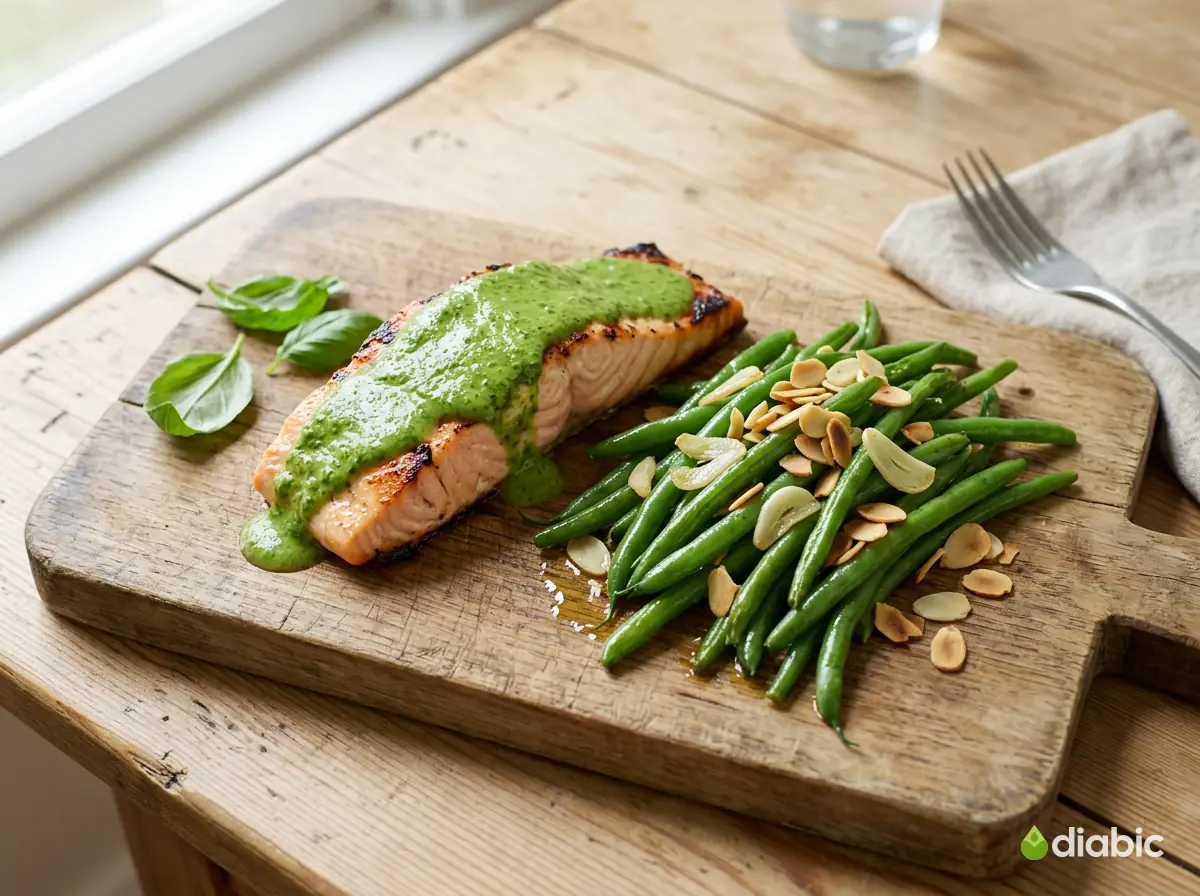
Barbecued Salmon with Fresh Herb Salsa Verde
- Time
- 30 min
- Calories
- 489
- Carbs
- 6 g
- Sugars
- 5.1 g
100 recipes with the carbs already counted.
Breakfast, lunch, dinner and snacks for people with diabetes. Every recipe shows carbs, fiber and calories per serving, in one free PDF.
Reviewed by Dr. Rezwana Rumpa. Plus our Sunday email, leave any time.