Soft Bottle Gourd Thepla Flatbreads
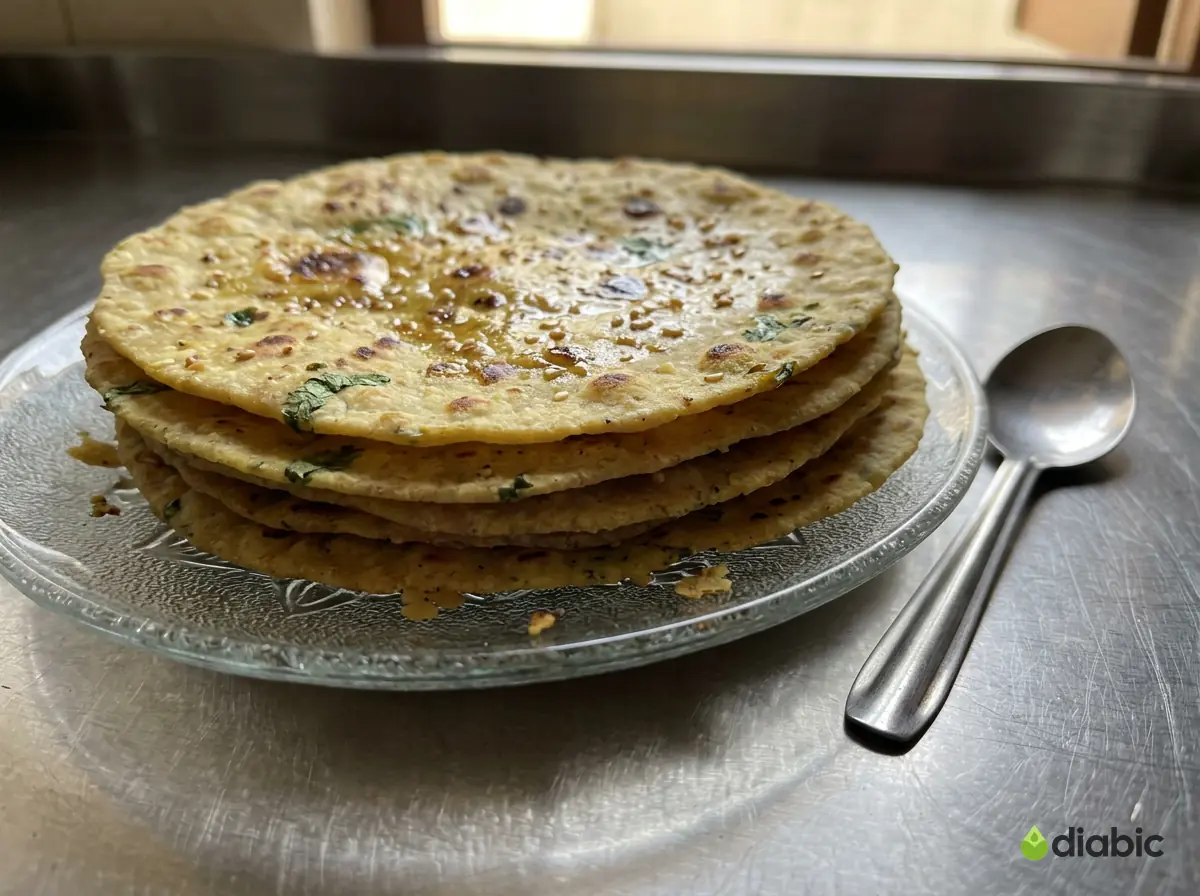
Grated bottle gourd, curd and sesame seeds are kneaded into a gently spiced whole wheat dough, then rolled thin and roasted until golden. These soft Gujarati flatbreads work for everyday meals and hold up well for travel.
- Time
- 40 min
- Calories
- 75
- Carbs
- 10.4 g
- Fiber
- 1.7 g
- Sugars
- 1 g
Per serving, about 34 g.
Method
0 of 5 steps doneReady to cook?
Easy swaps
Why these theplas travel so well
Theplas are the flatbread people in Gujarat pack when they head out on a long drive or a train ride, and once you have made a batch you will see why. The dough is more than flour and water. Grated bottle gourd (doodhi, also called lauki) goes right into it, so the bread stays moist for a good while after it cools. Curd does a similar job, softening the dough and giving it a faint tang, while the sesame seeds add a nutty crunch that stands up to being wrapped in foil.
A food fact worth knowing about the gourd: it is mostly water, which is why it looks so modest in a bowl but gives so much moisture to the dough. Grate it finely and squeeze out any excess liquid before adding it if your gourd is very fresh and watery. Fine grating matters more than people think. Coarse shreds can leave streaks in the dough and make the rolled circles tear at the edges.
A few cooking habits make a real difference. Let the dough rest for a few minutes after kneading so the flour drinks in the curd and the rolling becomes easier. Dust with only a little flour, because too much will burn on the tava and leave floury specks in the bread. Keep the griddle at a steady medium heat. Press the thepla gently with a spatula while it cooks so it puffs slightly and browns evenly. The little pool of oil you add per thepla is what gives the golden spots, so do not skip it, but a teaspoon is plenty.
To store them, let the theplas cool completely, then stack them with a sheet of parchment or a clean cloth between each one and keep them in an airtight box at room temperature for a day or two. They also freeze well. Reheat on a dry tava for a minute on each side, or wrap in foil and warm them in a low oven. Leftovers make a quick lunch: crumble one over plain yogurt with a squeeze of lemon, or roll it up around a few spoons of leftover sabzi.
For a simple spread, serve them with Chilled Mint and Flaxseed Raita, which cools the spice and adds a fresh herby note. If you want a drink on the side, a glass of Chilled Salted Chaas Buttermilk Drink pairs naturally with the sesame and coriander in the dough.
Salt is listed here as "to taste" with a note about restricting it, so go easy and taste your dough before you roll. It is much easier to add a pinch now than to fix an overly salty batch later.
Originally from Tarla DalalMethod rewritten by Diabic.Updated 9 Nov 2026
General information, not medical advice. Your needs may differ, so check with your care team.
More dinner recipes up to 30 g carbs
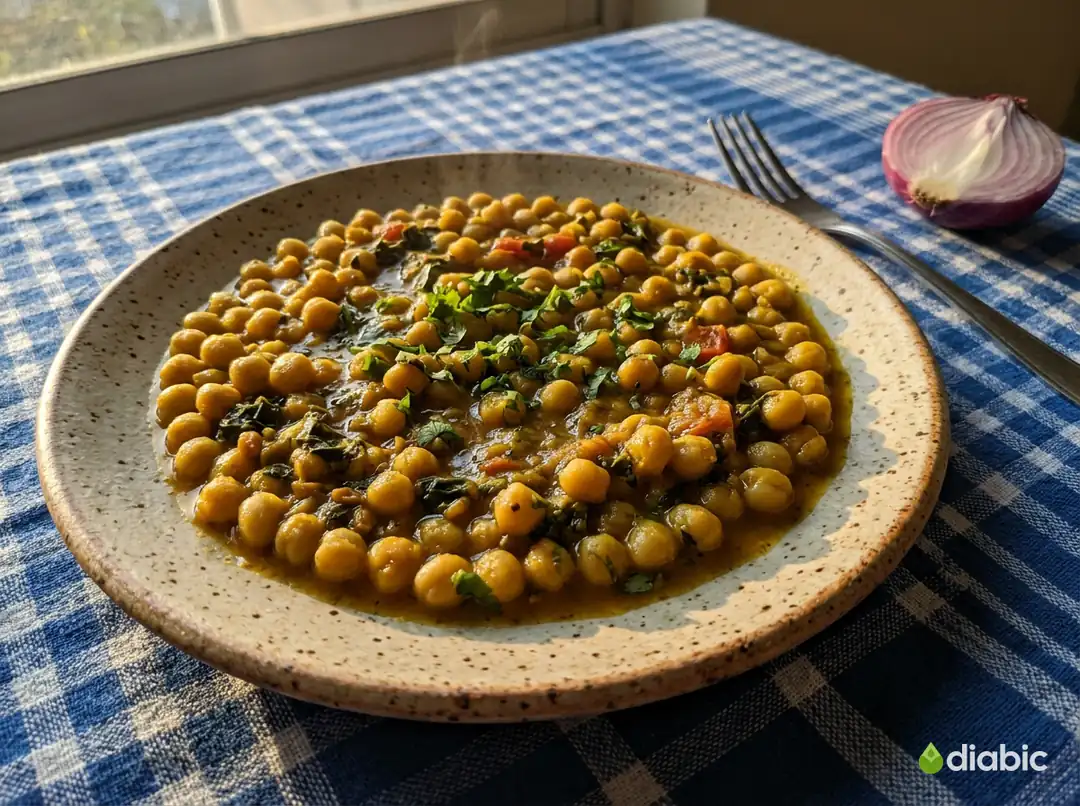
Bengali White Peas with Fenugreek Leaves
- Time
- 510 min
- Calories
- 145
- Carbs
- 23.3 g
- Sugars
- 5.9 g
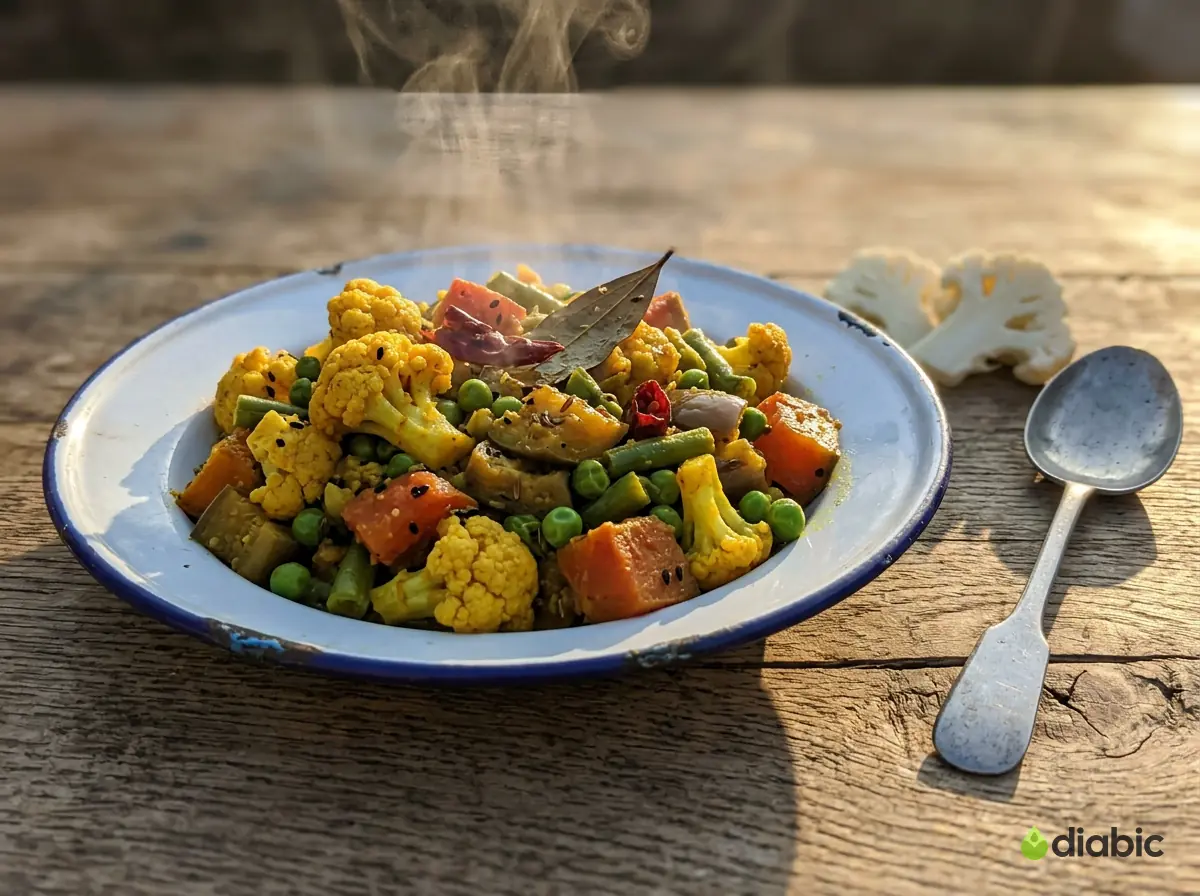
Aromatic Bengali Mixed Vegetable Sabzi
- Time
- 35 min
- Calories
- 85
- Carbs
- 10.6 g
- Sugars
- 6.5 g
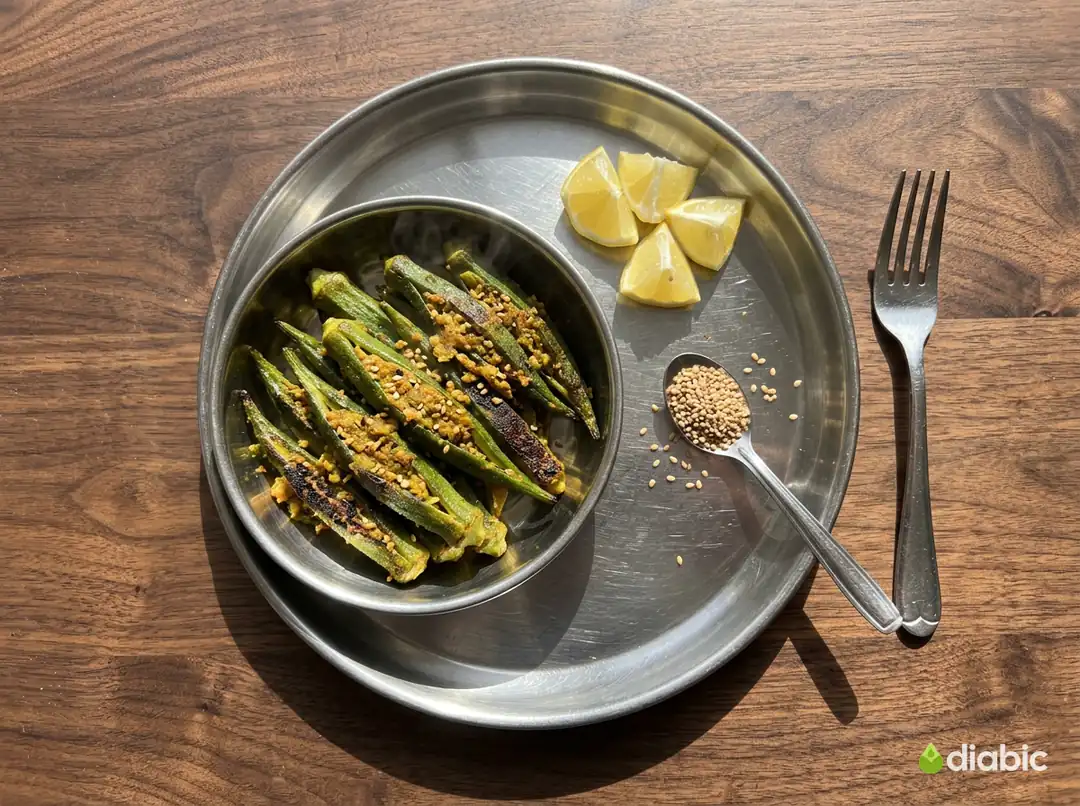
Stuffed Bhindi Masala with Coriander Paste
- Time
- 29 min
- Calories
- 89
- Carbs
- 9.7 g
- Sugars
- 3.1 g
100 recipes with the carbs already counted.
Breakfast, lunch, dinner and snacks for people with diabetes. Every recipe shows carbs, fiber and calories per serving, in one free PDF.
Reviewed by Dr. Rezwana Rumpa. Plus our Sunday email, leave any time.