Diabetic Neuropathy Treatment: Options That Work
Compare the most effective diabetic neuropathy treatment options, from gabapentin and duloxetine to lifestyle changes, with evidence-based guidance.

In this article(23)
Finding an effective diabetic neuropathy treatment can feel overwhelming when you are dealing with burning feet at night, tingling fingers, or numbness that makes simple tasks unsettling. The reassuring reality is that meaningful relief is possible. Most people who work patiently with their healthcare team land on a combination of approaches that quiets nerve pain, slows progression, and gives daily life back its rhythm.
There is no single best fix. The right plan depends on which type of neuropathy you have, how long you have lived with it, your other health conditions, and how your body responds to specific medications. This guide walks through what the research says about each option so that you can have a more informed conversation with your provider.
We cover the foundation of blood sugar management, the most-prescribed medications, evidence-based non-drug therapies, daily lifestyle habits that protect nerves, and the emerging research worth watching. Throughout, we link to deeper Diabic guides on individual treatments so you can dive in where your situation calls for it.
Understanding Diabetic Neuropathy
Diabetic neuropathy is nerve damage caused by prolonged exposure to high blood sugar. According to the National Institute of Diabetes and Digestive and Kidney Diseases, about half of people with diabetes will experience some form of neuropathy in their lifetime, making it one of the most common diabetes complications.
There are four main types, and recognizing which one you have shapes the treatment plan.
- Peripheral neuropathy affects the feet, legs, hands, and arms. It is the most common form and usually shows up first as tingling, numbness, or burning in the toes that gradually moves upward.
- Autonomic neuropathy affects the nerves that control automatic functions such as digestion, blood pressure, sweating, and bladder control. Symptoms can include nausea after meals, dizziness on standing, and changes in heart rate.
- Proximal neuropathy affects the thighs, hips, buttocks, or shoulders, often on one side. It tends to cause sudden, severe pain followed by weakness in the affected limb.
- Focal neuropathy affects a single nerve, often in the hand, head, torso, or leg. It can cause pain, weakness, or palsy that comes on quickly and often resolves over weeks to months.
High blood sugar damages nerves in two ways. It directly injures the small blood vessels that supply oxygen to nerve fibers, and it triggers a cascade of inflammation and abnormal sugar metabolism inside the nerve cells themselves. Over years, this combination causes the nerve fibers to misfire, sending pain signals when there is no injury, or to lose function entirely, leading to numbness. Recognizing diabetic peripheral neuropathy early gives treatment its best chance of working.
Blood Sugar Management as the Foundation of Diabetic Neuropathy Treatment
Every effective plan starts in the same place. Bringing blood sugar closer to your target range slows nerve damage progression and, in many cases, allows partial recovery of nerve function. The American Diabetes Association Standards of Care consistently identify glycemic management as the single most impactful intervention for preventing and slowing neuropathy.
The landmark Diabetes Control and Complications Trial (DCCT) showed that intensive glucose management in people with type 1 diabetes reduced the risk of developing neuropathy by 60 percent over a decade. Follow-up research has confirmed similar benefits in type 2 diabetes when blood sugar improvements are sustained. The benefit is dose-dependent, meaning even modest A1C improvements help, and bigger improvements help more.
That said, the goal is not perfection. Aggressive blood sugar lowering carries its own risks, especially low blood sugar in people on insulin or sulfonylureas. The current guidance is to find the lowest A1C you can safely maintain without frequent or severe lows. Your target may be lower than 7 percent, around 7 percent, or higher depending on your age, other health conditions, and how well you sense lows.
Practical steps that may help include working with a continuous glucose monitor to spot post-meal spikes, partnering with a diabetes educator on carbohydrate strategies, and reviewing your medications periodically with your provider. Small wins compound. A drop from 9 percent to 8 percent A1C, sustained over a year, can meaningfully change the trajectory of nerve health.
From my experience: Living with type 1 diabetes for 14 years has taught me that nerve health is a slow conversation, not a quick fix. When I started using a CGM and tightened my time in range, I did not feel a dramatic difference in my feet for months. By the second year, the occasional pins-and-needles I had been ignoring had quietly faded. The lesson I share with anyone newly diagnosed with neuropathy is that the work feels invisible until suddenly it does not.
Medications for Diabetic Peripheral Neuropathy Drugs and Pain Relief
When blood sugar management alone does not quiet the pain, medications enter the picture. Several diabetic peripheral neuropathy drugs have strong evidence behind them, and your provider will weigh effectiveness, side effects, and your other health conditions when choosing.
Pregabalin (Lyrica)
Pregabalin is FDA-approved for diabetic peripheral neuropathy pain. It works by calming overactive nerve signaling, which reduces the burning, shooting, and electrical sensations many people describe. Multiple randomized trials, summarized in Diabetes Care, have shown that pregabalin reduces pain scores in 30 to 50 percent of people who try it. Common side effects include drowsiness, dizziness, and mild swelling in the ankles. Our deeper guide on Lyrica for diabetic neuropathy pain walks through what to expect.
Duloxetine (Cymbalta)
Duloxetine is also FDA-approved for diabetic neuropathy pain. It is a serotonin and norepinephrine reuptake inhibitor (SNRI), originally developed for depression, that turns out to dampen pain signaling in nerves as well. It is often a strong choice for people who also experience depression or anxiety alongside their pain, since it can address both. Side effects can include nausea, dry mouth, fatigue, and changes in appetite, especially in the first weeks. Read our full breakdown of duloxetine for diabetic neuropathy for more detail.
Gabapentin
Gabapentin is closely related to pregabalin and works through a similar mechanism. It is not FDA-approved specifically for diabetic neuropathy, but it is widely prescribed off-label and has decades of clinical experience behind it. The Mayo Clinic notes that gabapentin is often tried first because it tends to be less expensive than pregabalin and is generally well tolerated. Side effects overlap with pregabalin: drowsiness, dizziness, and sometimes mild cognitive fog. Our companion piece on gabapentin for diabetic peripheral neuropathy covers dosing patterns and what people commonly notice.
Tricyclic antidepressants
Older medications such as amitriptyline and nortriptyline can also help nerve pain. They are typically prescribed at lower doses than for depression and are taken at bedtime, which has the bonus of helping with sleep. Side effects can include dry mouth, constipation, and morning grogginess, and they are used more cautiously in older adults due to a higher risk of falls.
Topical and other options
Capsaicin cream, derived from chili peppers, can desensitize nerve endings over weeks of regular use. Lidocaine patches deliver a numbing medication directly to a localized painful area without systemic side effects. These are often added to oral medications rather than used alone for widespread pain.
Medication response varies widely. About one in three people gets significant relief from the first medication tried. Many people end up trying two or three before finding the right fit, and some benefit from a combination at lower doses rather than a single drug at a high dose. Your provider may suggest starting low and increasing gradually to balance effectiveness and side effects. Talk to your doctor about which option fits your situation.
Non-Medication Treatments and Diabetic Neuropathy Symptoms Relief
Many people get meaningful relief from approaches that do not involve daily pills. These are especially valuable for those who cannot tolerate medication side effects, prefer fewer prescriptions, or want to layer additional support on top of their drug regimen. They can also help address diabetic neuropathy symptoms beyond pain, such as numbness and balance problems.
Physical therapy and targeted exercise
Working with a physical therapist trained in neurologic conditions can improve strength, balance, and circulation in the affected limbs. Exercises often focus on the lower legs and feet, where peripheral neuropathy hits hardest, and on balance training to reduce fall risk. A 2022 review in The Lancet Diabetes & Endocrinology highlighted that supervised exercise programs improved both pain and nerve function markers in people with diabetic neuropathy. Our guide on physical therapy for diabetic neuropathy explains what a typical program looks like.
TENS therapy
Transcutaneous electrical nerve stimulation (TENS) uses small electrical pulses delivered through skin patches to interfere with pain signals. The evidence is mixed but generally positive for short-term pain relief, and TENS units are inexpensive and side-effect free. Many people use them at home as needed. Ask your provider or physical therapist whether TENS makes sense for your symptoms.
Topical capsaicin and lidocaine
Capsaicin cream applied to painful areas three to four times a day can reduce pain after several weeks of consistent use, though it often causes burning during the first week. Lidocaine patches numb localized pain without systemic absorption and are well tolerated. Both can be useful alongside oral medications, particularly for people whose pain is concentrated in specific areas like the soles of the feet.
Acupuncture
Several randomized trials suggest that acupuncture may reduce diabetic neuropathy pain, though study quality varies. The American Academy of Neurology has cautiously acknowledged acupuncture as a reasonable option for people seeking non-drug therapies. If you try it, look for a licensed practitioner with experience in chronic pain conditions.
Alpha-lipoic acid and other supplements
Alpha-lipoic acid, a naturally occurring antioxidant, has the strongest supplement evidence for diabetic neuropathy. Research published in The Lancet Diabetes & Endocrinology reviewed multiple trials and found modest improvements in pain and nerve function, particularly with intravenous formulations. Oral supplements are widely available, though effects are usually smaller. Other supplements with some evidence include B vitamins (especially B12 if levels are low) and acetyl-L-carnitine. Always discuss supplements with your provider, since interactions and quality vary.
Lifestyle Changes That Support Nerve Health
The daily choices you make outside of medication appointments matter more than most people realize. Lifestyle habits influence circulation, inflammation, and nerve repair, all of which feed into how nerves heal and how pain is experienced.
Regular physical activity is the closest thing to a universal recommendation. Walking, swimming, cycling, and strength training all improve blood flow and have been linked to better nerve outcomes in long-term studies. Aim for what your body can sustain rather than a specific number on day one. Even 15 minutes of walking after meals can help blood sugar and circulation at the same time.
Diet is the second pillar. Eating patterns rich in vegetables, whole grains, lean proteins, and healthy fats give nerves the building blocks they need. Specific nutrients with evidence for nerve health include B vitamins (B1, B6, B12), omega-3 fatty acids from fish or algae, and antioxidants from colorful produce. The Mediterranean and DASH eating patterns both fit well within diabetes-friendly guidelines and have research supporting nerve and vascular benefits.
Foot care deserves its own paragraph. Numbness from peripheral neuropathy means injuries can go unnoticed and become serious. The CDC recommends checking your feet daily for cuts, blisters, or color changes, washing and drying carefully, and wearing well-fitting shoes that protect against pressure points. A yearly comprehensive foot exam with your provider catches problems before they grow. Our guide on diabetic neuropathy foot pain and relief covers daily routines in more detail.
Quitting smoking is another high-uses step. Smoking constricts the small blood vessels that already struggle to deliver oxygen to damaged nerves, so quitting can both slow progression and improve symptoms over time. Limiting alcohol matters too, since alcohol is independently toxic to nerves. The combination of diabetes and heavy alcohol use can accelerate neuropathy more than either alone.
When to See a Specialist
Most diabetic neuropathy is managed effectively by primary care providers and endocrinologists. There are signs, though, that a referral can change the picture for the better.
Consider asking for a referral when:
- Pain is severe, worsening, or interfering significantly with sleep, work, or mood
- Two or more medications have been tried without adequate relief
- Symptoms are atypical, such as sudden weakness in one limb or rapidly progressing numbness
- Autonomic symptoms (dizziness, severe digestive issues, bladder problems) are prominent
- You are interested in advanced therapies, clinical trials, or a second opinion on diagnosis
A neurologist can confirm the diagnosis with nerve conduction studies, rule out other causes that mimic diabetic neuropathy, and offer therapies that are not commonly used in primary care. Pain specialists can layer in nerve blocks, spinal cord stimulation, and other interventional options when oral medications fall short.
A comprehensive diabetes care team, often built around an endocrinologist, can coordinate care across the multiple systems neuropathy touches. Diabetes educators, podiatrists, dietitians, and mental health providers all play valuable roles. You do not need every specialist at once, but knowing they exist makes it easier to ask for the right help at the right moment.
When you advocate for yourself in appointments, come prepared. Bring a list of symptoms, the medications you have tried, and how they affected you. Ask direct questions: "What is the next option if this medication does not work? When should I expect to feel a difference? Are there clinical trials I might qualify for?" Most clinicians welcome engaged patients and respond with more thorough conversations.
Emerging Treatments and Research
The treatment landscape is changing. Several lines of research are showing real promise and may soon translate into new options.
Gene therapy and growth-factor approaches aim to repair or protect damaged nerves directly. Early-stage trials are testing whether targeted genes or proteins can stimulate nerve regrowth in people with established neuropathy. While these therapies are not yet widely available, they represent a shift from purely managing symptoms to potentially restoring function.
Targeted drug delivery is another area to watch. Researchers are working on ways to deliver pain medications more directly to affected nerves, reducing systemic side effects and potentially improving how well medications work. Slow-release formulations, implantable devices, and nanoparticle-based approaches are all in various stages of development.
Several clinical trials are also exploring repurposed medications, including newer GLP-1 agonists and SGLT2 inhibitors used for diabetes, to see whether they offer nerve-protective benefits beyond their glucose effects. Early signals are encouraging but not yet definitive. ClinicalTrials.gov, run by the National Institutes of Health, is a free resource where you can search for active studies in your area. Bring options you find to your provider to discuss whether they fit your situation.
Staying informed gives you more options. New approvals, off-label uses, and research findings can shift what your team recommends from year to year. Subscribing to a trusted diabetes newsletter, joining a peer community, or simply asking at each annual visit what is new in neuropathy care keeps you in the loop without becoming a full-time job.
Putting Together Your Diabetic Neuropathy Treatment Plan
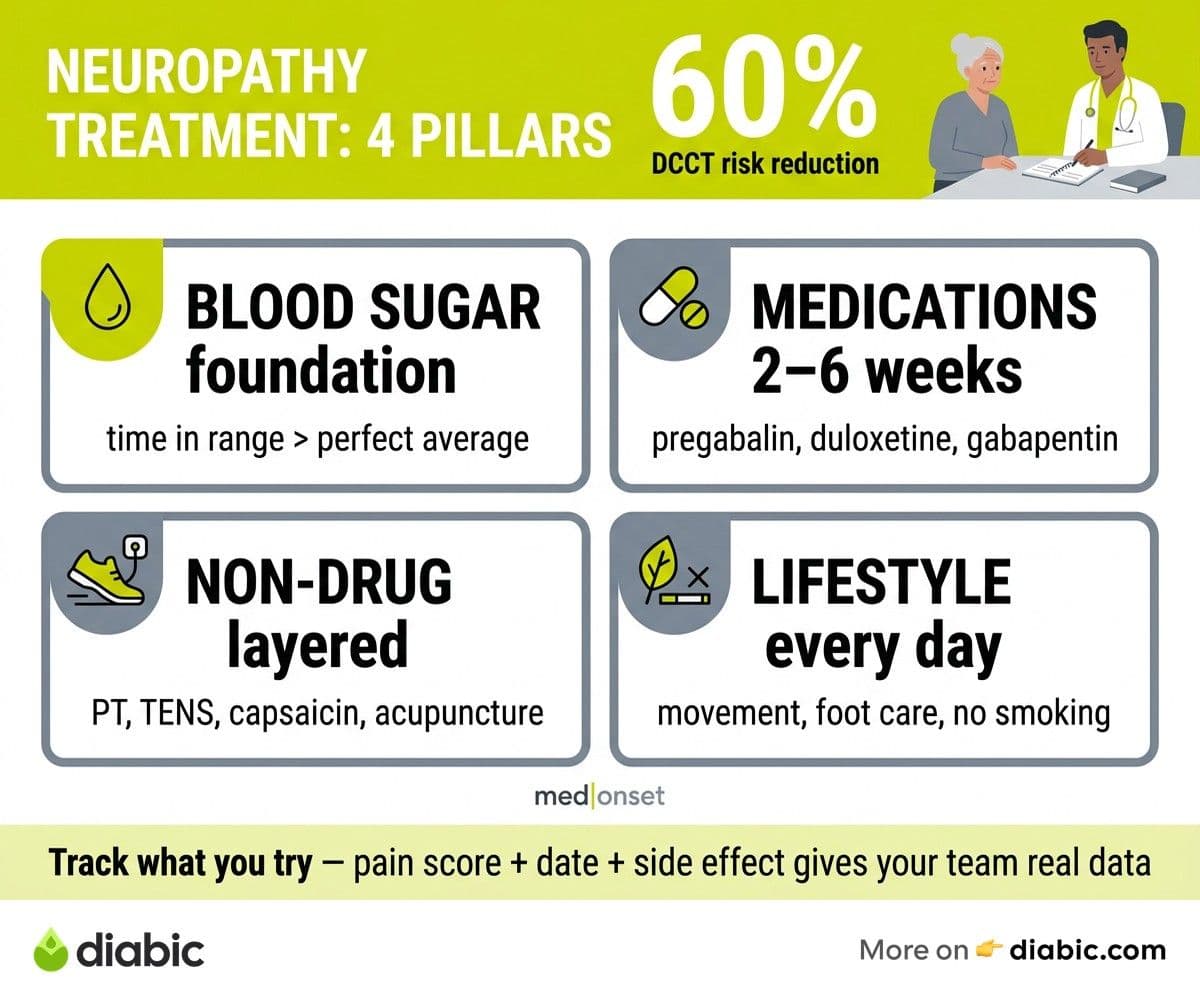
The most effective diabetic neuropathy treatment plans share a structure. They start with blood sugar management as the foundation, layer in medications when pain demands it, add non-drug therapies that fit your daily life, and protect nerves through consistent lifestyle habits. Specialists step in when a piece of the picture is not working.
Track what you try. A simple notebook or app entry showing date, medication or therapy, dose, side effects, and pain score over a few weeks gives you and your provider real data to work with. Without it, decisions tend to drift on memory alone. With it, the next conversation is sharper and faster.
Be patient with the process. Most medications take two to six weeks to reach their full effect. Lifestyle changes show up in symptoms over months, not days. The work you put in now is building a foundation that compounds quietly. Many people who feel discouraged in week three feel meaningfully better in month three.
If you are early in your diagnosis, ask whether your neuropathy is reversible. Some forms, especially when caught early and addressed with tight glycemic management, can partially recover. We cover this question in detail in can diabetic neuropathy be reversed. Either way, slowing progression is a meaningful goal in itself.
Frequently Asked Questions
What is the best treatment for diabetic neuropathy?
The most effective approach combines tight blood sugar management with medications, non-drug therapies, and lifestyle changes tailored to your situation. For pain, FDA-approved medications include pregabalin (Lyrica) and duloxetine (Cymbalta), with gabapentin commonly used off-label. The single most important step is keeping blood sugar in target range, since this slows nerve damage progression. Talk to your doctor about a plan that fits your specific symptoms and health profile.
Can diabetic neuropathy be treated without medication?
Yes, many people get meaningful relief from non-medication approaches, especially when symptoms are mild to moderate. Options include physical therapy, TENS units, capsaicin cream, lidocaine patches, acupuncture, alpha-lipoic acid supplementation, and lifestyle changes such as regular exercise, foot care, smoking cessation, and dietary improvements. Non-drug therapies are also commonly layered with medications for additional benefit. Research suggests that comprehensive lifestyle programs can rival medication for some people.
How long does it take for neuropathy treatment to work?
Most prescription medications take two to six weeks to reach full effect, with gradual improvements during that time. Lifestyle changes such as exercise and dietary improvements may take three to six months to show meaningful symptom changes, though the underlying nerve protection starts immediately. Tight blood sugar management may take a year or more to translate into noticeable symptom improvement, but research suggests sustained effort produces the most durable benefits.
Is gabapentin or Lyrica better for diabetic neuropathy?
Both work through similar mechanisms and are commonly used. Lyrica (pregabalin) is FDA-approved specifically for diabetic neuropathy and tends to work at lower doses, while gabapentin is widely prescribed off-label and is often less expensive. Effectiveness varies from person to person, and many people benefit from one when the other did not help. Your provider will consider cost, side effect profile, and other medications you take when recommending one as part of your overall diabetic neuropathy treatment plan.
Shahriar P. Shuvo is the founder of Diabic. He has lived with diabetes for over 14 years, and built Diabic to deliver the practical, evidence-based self-management tools he wished existed when he was first diagnosed. By trade, Shahriar is a senior design and frontend engineer with 6+ years shipping products at Agora, Timescale (now Tiger Data), and ShareTrip. He writes from the intersection of lived diabetes experience and product craft, focused on what works in daily management rather than what sounds good in a textbook.
Medically reviewed by
Dr. Shanto Arian is an internal medicine physician now specializing in clinical and aesthetic dermatology, with a parallel academic focus on epidemiology and public health. He holds an MBBS, MPH, MSc (UK), MRCP (UK), MRCPI (Ireland), Diploma in Dermatology (UK), and Diploma in Aesthetic Medicine (USA). Dr. Arian trained in internal medicine, including hospital work on hematology cases such as graft-versus-host disease, before moving toward dermatology. Skin is one of the earliest places diabetes shows itself, from acanthosis nigricans and diabetic dermopathy to slow foot wound healing, and that intersection is where his clinical and Diabic-review work meet. On Diabic, Dr. Arian medically reviews content on diabetes diagnosis, complications, dermatologic manifestations, and pharmacotherapy, ensuring every claim aligns with current ADA, NICE, and peer-reviewed literature.
More from Health & Complications
View all
Diabetes and Dental Implants: What to Know First
Diabetes dental implants guide covering safety, A1C targets, recovery expectations, gum health prep, and what to ask your oral surgeon before surgery.

Burning Mouth Syndrome and Diabetes Explained
Burning mouth syndrome diabetes link explained, including neuropathy, dry mouth, and thrush causes plus treatment options that may bring real relief.

Dental Care for people with diabetes: Tips That Help
Practical dental care diabetics need, with real tips for protecting teeth and gums when diabetes raises your risk for oral health problems.
Clinician-reviewed habits, plain-language guides, and honest answers - the small shifts that make living with diabetes feel lighter, every day.